If you’ve spent any time building a functional base in Palworld, you’ve probably hit a point where basic berry meals just aren’t cutting it for you or your hardworking Pals. Whether you’re trying to bake nutrient-dense bread, craft high-quality feed for your breeding farm, or complete quests for rare rewards, you’ll need to figure out how to make flour in Palworld first. I remember fumbling through my first 10 hours of playtime searching for a way to make this core resource, so I put together this guide to help you skip the frustration and set up a steady flour production line fast.
What You Need Before You Learn How to Make Flour in Palworld
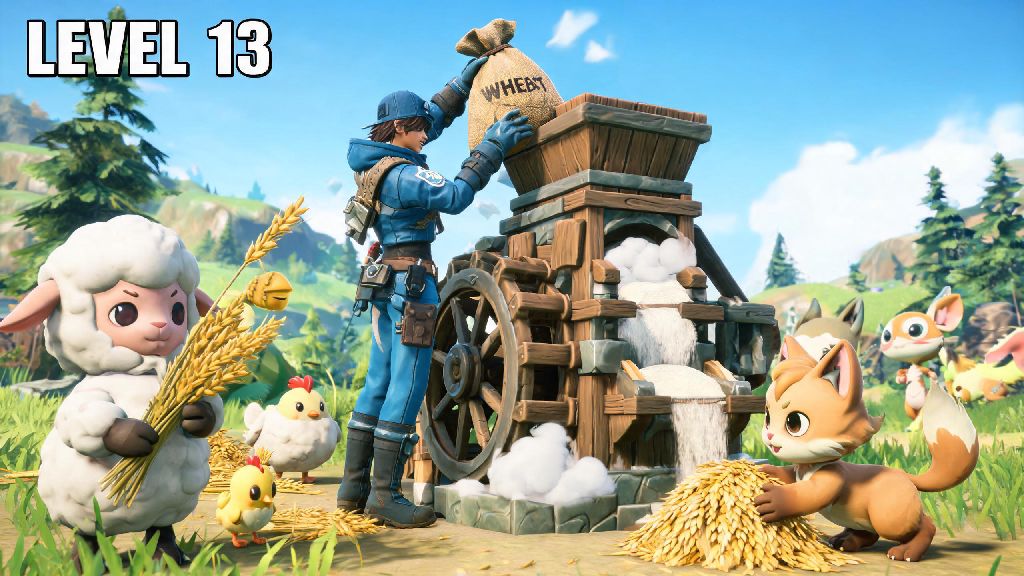
Flour isn’t a resource you can craft right out of the gate, so you’ll need to hit a few small milestones first. The first requirement is reaching player level 13, which unlocks the Mill in the Technology tree for 2 Technology points. If you’re short on points, complete a few side quests or capture 5 new Pals to earn extra points quickly.
Next, you’ll need to gather materials to build the Mill itself. You’ll need 50 Wood, 40 Stone, and 10 Paldium Fragments, all of which are easy to find in the starting Plateau of Beginnings area. You can chop wood from any tree, mine stone from grey rock outcroppings, and collect Paldium Fragments from the bright blue mineral deposits scattered near fast travel points.
Finally, you’ll need two core supplies to actually produce flour: Wheat and a Pal that can operate the Mill. 2 Wheat yields 1 unit of flour every time, no exceptions, so you’ll want to stock up as much as possible. You can find wild Wheat patches growing in the grassy fields north of the first fast travel point, or buy Wheat Seeds from the Wandering Merchant for 100 gold each to plant your own farm. You’ll also need a Pal with a level 1 Handiwork skill minimum to run the Mill; early game options like Lifmunk or Cattiva work perfectly for this, no rare Pals required.
Step-by-Step Process to Craft Flour
Once you have all your materials gathered, setting up your flour production line only takes a few minutes. First, place the Mill somewhere within your base’s build radius, and make sure there are no rocks, trees, or other structures blocking the entrance. If the Mill is too close to another building, your Pals won’t be able to access it to work, so leave at least one block of space around all sides.
Next, stock the Mill with your collected Wheat. You can deposit Wheat directly into the Mill’s inventory by interacting with it, or set up a connected storage chest nearby that automatically feeds Wheat into the machine. If you’re using a farm to grow your own Wheat, assign a Pal with the Gathering skill to your farm plots to automatically harvest and deliver Wheat to your storage.
Once the Mill is stocked, assign your Handiwork Pal to the structure, and production will start immediately. Each batch takes 30 seconds to process with a level 1 Handiwork Pal, so you can step away to do other tasks while you wait. If you don’t have a spare Pal to assign, you can operate the Mill yourself, but it takes 3 times as long to process each batch, so it’s not ideal for bulk production. Later in the game, you can use Pals with higher Handiwork levels like Anubis to cut processing time by up to 70% for large flour stockpiles.
Pro Tips to Optimize Your Flour Production
Once you have your basic Mill set up, there are a few small tweaks you can make to cut down on work and increase your output dramatically. I tested these tricks during my last playthrough, and I was able to produce 200 units of flour in less than 20 minutes of playtime, with almost no manual work required.
Never assign your active combat Pals to run your Mills, even if they have a high Handiwork skill. If your base gets raided by wild Pals or enemy factions, your combat Pals will be stuck working in the Mill and won’t come to defend your base. Keep separate Pals for crafting and combat to avoid losing your hard-earned resources to raids.
So you don’t have to constantly check on your Mills, you can set a small mental note to check your flour stock every time you return to base after exploring. It only takes 10 seconds to top up Wheat supplies and move extra flour to storage, and you’ll never run out right when you need it for a recipe.
Top Uses for Flour in Your Palworld Playthrough
You might be wondering why flour is such a big deal when you can just feed your Pals berries for free. The truth is, flour unlocks some of the most useful items in the entire game, and it becomes a core resource once you move past the early game grind.
The most common use for flour is baking, of course. Bread, made with 2 flour and 1 water, restores 50 hunger points for both you and your Pals, which is 5 times more than raw berries. Higher tier baked goods like cake and cookies even give temporary buffs, like 10% extra experience gain or 15% increased attack speed for 30 minutes, which is a game changer for boss fights or long exploring trips.
Flour is also essential for running a successful breeding farm. Flour is a non-negotiable ingredient for the Cake required to breed Pals, and each breeding session uses one full Cake. If you’re trying to breed a rare Pal like a Jetragon or Anubis, you’ll need dozens of cakes, which means hundreds of units of flour to make them.
Finally, many wandering merchants and NPC quest givers will ask for flour in exchange for rare rewards, like golden Pal Spheres, extra Technology points, or rare crafting schematics. I once traded 10 units of flour for a legendary crossbow schematic early in the game, which made taking down high level Pals way easier. It’s always a good idea to keep 20 to 30 units of flour in your storage for these random quests.
Once you get the hang of how to make flour in Palworld, it becomes a seamless part of your base’s production routine, and you’ll wonder how you ever played without it. Start small with one Mill and a small Wheat farm, and scale up as you need more supplies for cooking, breeding, or quests. You’ll never have to deal with hungry Pals or missed quest rewards again once you have a steady flour supply set up.